


Menopause: The Hormonal Theft of Deep Sleep
For many women, the transition into menopause feels like losing the ability to "just sleep." It isn’t a lack of discipline; it’s a direct result of decliningEstrogen andProgesterone—two hormones that act as the primary regulators of your sleep-wake cycle.
When these levels drop, the biological "thermostat" breaks, and the brain’s ability to remain inStage 3 Delta Wave sleep is compromised.
The Three Core Disruptors
1. The Thermoregulation Crisis (Hot Flashes)
Estrogen helps regulate the hypothalamus, the part of the brain that controls body temperature. As levels fluctuate, the brain mistakenly thinks the body is overheating, triggering a "Night Sweat." This isn't just uncomfortable; it is aforced arousal that spikes your heart rate and kicks you out of deep sleep.
2. The "Progesterone Gap"
Progesterone is a natural "sleep-promoting" hormone. It has a calming effect on the brain by interacting with GABA receptors. As it vanishes, women often experience higher levels of nighttime anxiety and "racing thoughts," making the transition into sleep feel like an uphill battle.
3. The Increase in Sleep Apnea Risk
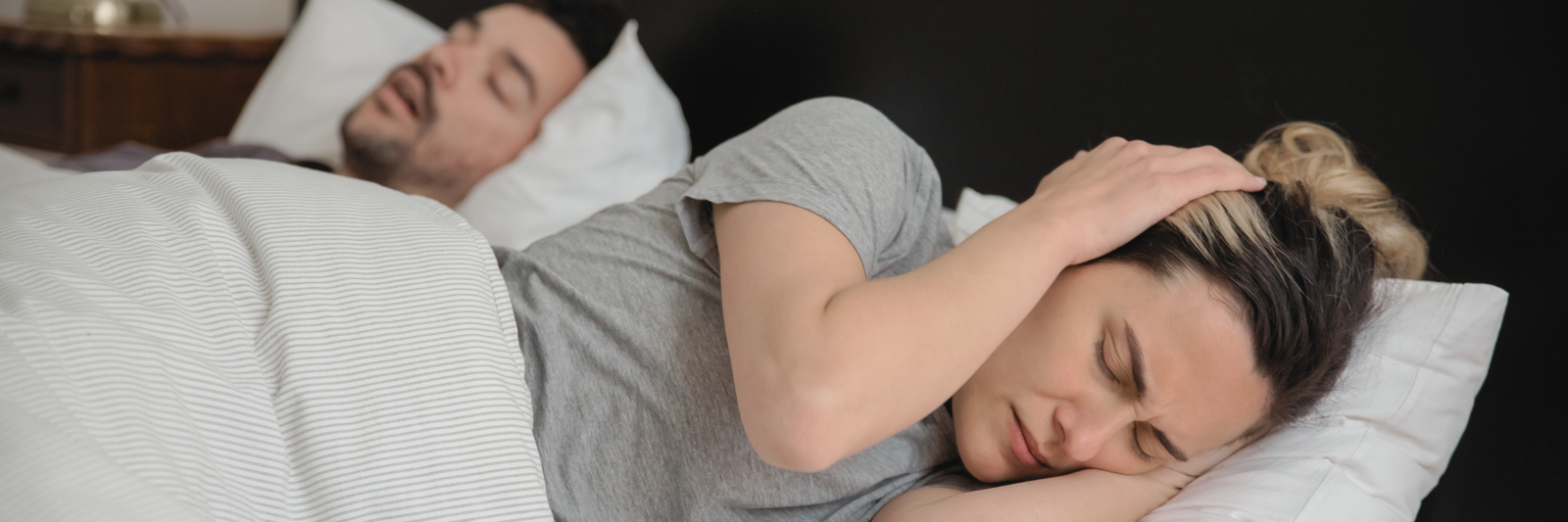
Post-menopausal women have a significantly higher risk of developing Obstructive Sleep Apnea (OSA). The loss of hormones leads to a reduction in upper airway muscle tone. Suddenly, snoring and breathing pauses become a reality, further fragmenting what little rest is left.

Image source: Wellness OBGYN.
Shifting the Architecture: Sleep Stages Compared
During the menopausal transition, the "Sleep Architecture" (the structure of your sleep stages) shifts significantly. Time spent in restorative Deep Sleep often decreases, while time spent in lighter, easily interrupted sleep increases.

Image Source: Beverly High
Shifting the Architecture: Sleep Stages Compared
During the menopausal transition, the "Sleep Architecture" (the structure of your sleep stages) shifts significantly. Time spent in restorative Deep Sleep often decreases, while time spent in lighter, easily interrupted sleep increases.
 Image Source: Pexels
Clinical Solutions: A Non-Invasive Path
In 2026, the conversation is shifting. While Hormone Replacement Therapy (HRT) is a common path, many are looking for technology that supports the brain’s natural rhythms without further medicinal intervention.
Managing sleep during this transition requires a multi-faceted approach. High-frequency sleep technology, like SleepVibe, is designed to assist the brain in bypassing the "hormonal noise" of menopause. By silently encouraging the brain toward Delta Wave synchronization, it helps provide a stable foundation for rest, even when the body's internal chemistry is in flux.
Unlike wearable devices that can become uncomfortable during night sweats, SleepVibe offers a non-contact solution that doesn't add heat or physical restriction, allowing for a more seamless transition back into deep sleep.
Disclaimer: This content is for informational purposes and does not constitute medical advice. Always consult with a healthcare professional regarding hormonal health and sleep disorders.