

What is Sleep Apnea?
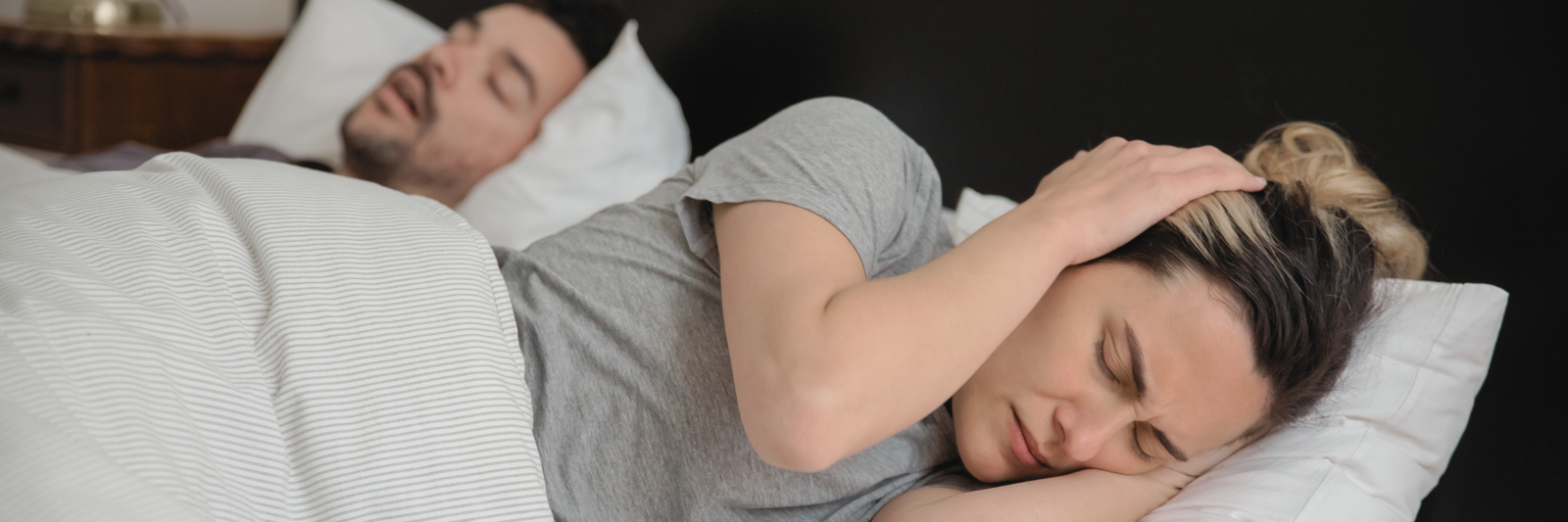
Sleep apnea is a potentially serious sleep disorder in which breathing repeatedly stops and starts. If you snore loudly and feel tired even after a full night's sleep, you might have sleep apnea. In 2026, we understand more than ever that this isn't just about "snoring"—it is about the disruption of critical Delta Waves during deep sleep.

Airway Obstruction During Sleep by Drcamachoent, used under CC BY-SA 4.0
The Three Main Types of Sleep Apnea
-
Obstructive Sleep Apnea (OSA): The more common form that occurs when throat muscles relax and block the flow of air into your lungs.
-
Central Sleep Apnea: Occurs when your brain doesn't send proper signals to the muscles that control your breathing.
-
Complex Sleep Apnea Secondary Syndrome: Also known as treatment-emergent central sleep apnea, which happens when someone has both OSA and central sleep apnea.
Why It Matters: The Deep Sleep Gap
The primary danger of obstructive sleep apnea is the 'Micro-Arousal'—a common hurdle discussed by dental sleep specialists worldwide. These pauses in breathing trigger a sympathetic nervous system response that prevents the body from staying in restorative sleep stages. Every time your breathing pauses, your brain jerks you out of Stage 3 Deep Sleep to resume breathing. While you might not remember these moments, they prevent your body from performing vital physical repairs and "flushing" toxins from the brain.

Image: The Sleep Cycle by Razimantv, used under CC BY-SA 3.0
Common Symptoms to Watch For
Modern Solutions: Beyond the Mask and Mouthpiece
While CPAP machines and oral appliances remain standard treatments, many users and professionals in 2026 are seeking non-invasive, non-wearable alternatives that support natural sleep rhythms without the "Darth Vader" mask.
At recent industry events like the AADSM (American Academy of Dental Sleep Medicine) and the Transformational Dental Symposium, we’ve connected with leading dentists who specialize in sleep health. These professionals are increasingly integrating SleepVibe into their patient care plans due to its unique clinical compatibility.
Unlike traditional sleep aids that require restrictive sensors or mouthpieces, SleepVibe is a completely non-wearable solution. It does not interfere with Mandibular Advancement Devices (MADs) or other specialized dental equipment, allowing practitioners to support a patient’s deep sleep architecture without compromising their existing treatments. By utilizing frequency-based technology, SleepVibe aims to silently support the brain’s transition into restorative deep sleep stages—bridging the gap between clinical intervention and natural rest.
Final Thoughts
If you suspect you have sleep apnea, consulting a sleep specialist is the first step toward reclaiming your health. Understanding the "why" behind your exhaustion is the key to choosing the right technology to help you sleep soundly again.
Are you a Dental Sleep Professional? We’re proud to support the work of sleep-focused dentists. If you’re looking for a non-invasive technology to complement your patient’s treatment plan, [Contact us here] to learn more about our clinical compatibility.